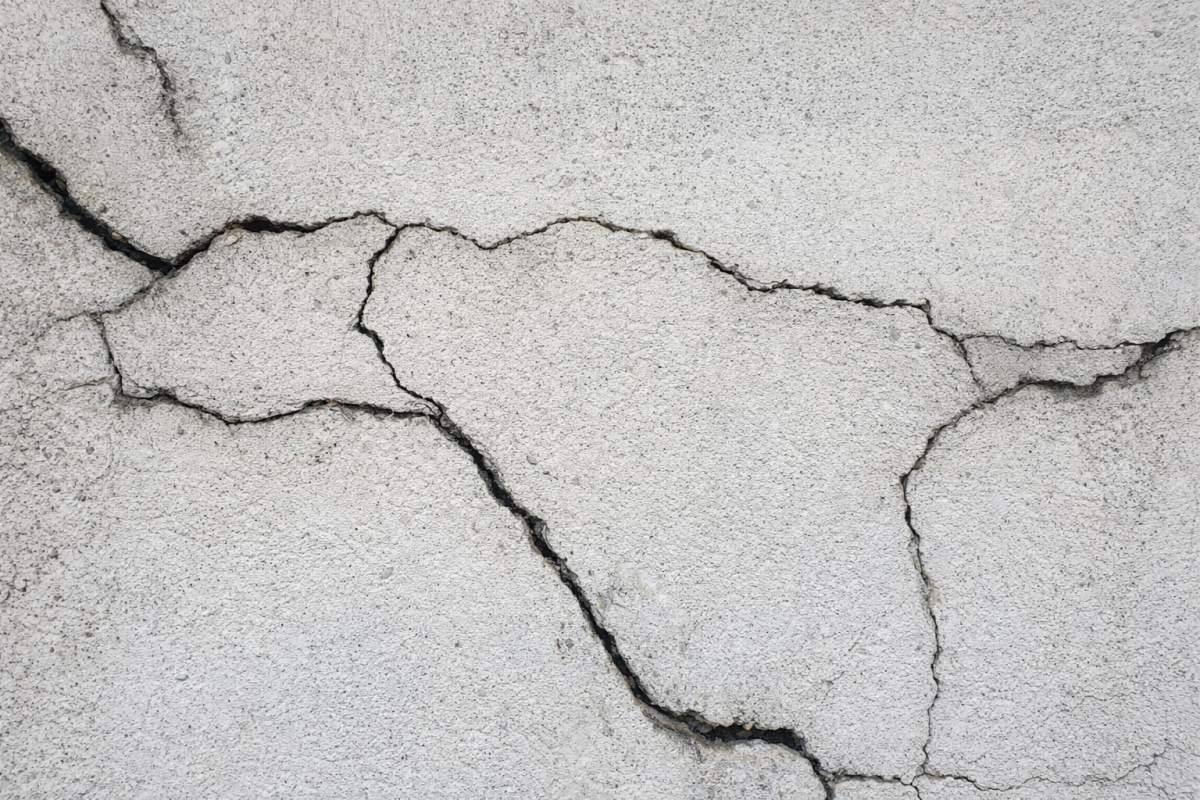
Why buildings crack is one of the most common and misunderstood questions that are asked in the construction industry.
I remember as I grew up, I used to look at our neighbor’s house, staring at the crack running from the top of the wall towards the floor on the toilet area section wondering at what could have been its cause. Years later, as an engineering enthusiast, I realized that that crack was the house’s way of speaking.
Cracks aren’t a work of art, they’re clues. Sometimes they may be harmless, sometimes serious but they are always worth understanding.
In this guide, we’ll unpack why buildings crack, compare different crack types, explore deeper causes, and share insights from real-world experience.
The Real Reasons Why Buildings Crack
1. Natural Movement and Settlement
When a building is new, the soil under it slowly compresses. This process is called settlement.
Small cracks often appear in the first 1–3 years. These are usually:
- Thin
- Straight
- Around doors and windows
They are often harmless.
According to the American Society of Civil Engineers, light settlement cracks are common in new homes and rarely affect safety.
2. Temperature Changes
Buildings expand in heat and contract in cold. This natural movement causes stress in:
- Concrete
- Brick
- Steel
- Plaster
These materials all move at different rates.
Over time, this movement creates stress which shows up as cracks.
The American Concrete Institute highlights thermal expansion as a major contributor to surface cracking.
Note
Cracks near windows and doors often form because those areas experience the most temperature stress.
3. Soil Problems Under the Building
This is one of the most serious causes of cracks in buildings.
Some soils like clay swell when wet and shrink when dry.
This up and down movement can push and pull the foundation leading to cracks.
4. Moisture Problems
Water is one of the most powerful crack creators.
- Poor drainage erodes soil under foundations
- Leaks weaken framing and walls
- Rising damp damages masonry
Over time, moisture leads to structural weakening.
The Environmental Protection Agency notes that improper drainage is a leading cause of residential foundation damage.
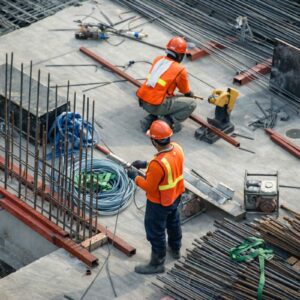
5. Poor Construction Practices
Not all cracks are natural. Some come from our own poor practices in the name of shortcuts during construction. There are shortcuts like:
- Inadequate reinforcement in concrete e.g. using 3 rebars in a column instead of 4 that are shown in the structural drawings
- Low quality concrete mixes e.g. using a mix of M15 instead of that of M20 as shown in the drawings
- Incorrect curing times e.g. starting construction on a slab of only 2 days after casting
- Weak mortar joints
These flaws often show up within the first five years.
A mason of a certain building once told me after doing some shortcuts that, “We’ll fix cracks during the warranty period.” I couldn’t imagine the kind of fragile building that was being brought up.
6. Structural Overloading
Another overlooked reason why buildings crack is excess weight. Excess weight like:
- Heavy rooftop equipment that’s beyond what was designed
- Added floors or extensions that aren’t accounted for in the design
- Furniture overload in older buildings
When loads exceed design limits, cracks appear where stress concentrates.
7. Earthquakes and Vibrations
Cracking can also be caused by vibration areas like:
- Nearby construction due to the heavy equipment
- Heavy traffic
- Railway areas
The Federal Emergency Management Agency (FEMA) reports that micro-seismic activity causes cumulative structural damage over time.
Types of Cracks in Buildings And What They Mean
Not all cracks are equal. Here is a simple table to help you understand.
| Crack Type | What It Looks Like | Common Cause | Serious? |
| Hairline cracks | Very thin, surface-level | Drying, paint shrinkage | No |
| Vertical cracks | Straight up and down | Settlement | Usually no |
| Diagonal cracks | Slanted near doors/windows | Foundation movement | Maybe |
| Horizontal cracks | Long and straight across walls | Soil pressure | Yes |
| Stair-step cracks | Along brick joints | Foundation shift | Yes |
| Wide cracks (>5 mm) | You can fit a coin inside | Structural issues | Yes |
Table: Common cracks in buildings and what they mean
How to Prevent Cracks Before They Start
As they always say “Prevention is better than cure”. Preventing the cracks in the first place is better than repairing them.
Smart Prevention Strategies
- Conduct soil testing before building
- Ensure proper drainage systems
- Use expansion joints
- Maintain consistent moisture around foundations
- Avoid overloading structures
What to Do If You Notice Cracks
- Measure and photograph cracks monthly for follow up
- Check for doors/windows if they still fit well in their openings
- Look for moisture intrusion
- Consult a structural engineer if cracks widen
- Don’t ignore early warning signs
Conclusion
Cracks aren’t failures. They’re feedback.
They tell you:
- How your building responds to stress
- Where hidden problems exist
- When it’s time to take action
Understanding why buildings crack empowers you to protect your property and your peace of mind early on.
Have you noticed cracks in your home or building?
Share your experience in the comments.
Use our free construction guides and calculators to estimate materials, control costs, and avoid common construction mistakes.
Join our community of construction enthusiasts who are ready to make our world a better place to live in through Civil Engineering.