Construction mistakes are one of the biggest reasons people lose money, delay projects, or end up with weak buildings. Most of these mistakes are caused by lack of knowledge and poor planning.
If you are planning to build a house or are already building, understanding these 10 common construction mistakes will help you save money, protect your investment, and build a safer home.
1. Lack of Proper Planning
One of the most common construction mistakes is starting work without a clear plan.
I once heard of a client who approached a fundi on a Monday with just a vision of a building and the fundi started execution of the project the next day without a proper laid out plan. This left me wondering at the kind of project the fundi delivered.
Why this is a problem
- Work is done randomly with just random thoughts and ideas. This obviously produces shoddy work
- Costs increase unexpectedly since there was no proper planning done in the first place to anticipate such occurrences
- Materials are wasted due to lack of proper planning
- Construction delays become frequent because there are no properly laid out stages to be followed in project execution
How to avoid this mistake
- Preparation of a clear construction plan which helps to identify beforehand any challenges that may come along the way
- Know the construction stages so that you can arrange them in a chronological order
- Plan materials and labour before starting to have a smooth flow of the construction process
Executing construction without a proper plan is like moving without a proper direction of where you’re going. It’s so draining and expensive.
2. Ignoring Soil Conditions and Site Investigation
Almost all construction in the world begins on land. However, many people start construction without checking the soil condition of their land which is very risky.
An important fact to note is that different soils have different compositions which support buildings differently.
Common results of ignoring soil conditions
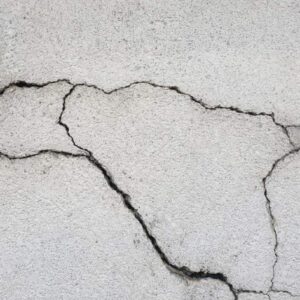
- Cracked walls as a result of expansion and contraction of the soils
- Sinking foundations when then building tries to settle
- Expensive repairs which might come later on after construction
How to avoid this mistake
- Carry out a basic soil investigation. A soil investigation might look expensive on face value but it will save you the would be repercussions in the future.
- Consult an engineer before foundation design to help in the technical part from a professional point of view
Understanding the soil where to set up the construction leads to a strong building.
3. Using the Wrong Foundation Type or Depth
A foundation is the point of contact between the building and the soil. It carries the entire weight and load on a building and safely distributes it to the soil.
This means that any mistakes here can be very dangerous.
Common foundation mistakes
- Shallow foundations in poor soils
- Wrong foundation type for the particular soil
- Poor compaction of foundation trenches which lead to improper settlement of the building
Consequences
- Structural cracks in the building
- Uneven settlement of the building
- Risk of collapse of the building since the foundation cannot support the building
How to avoid this mistake
- Follow approved structural drawings
- Use the correct foundation depth that is recommended in the building codes
- Ensure proper compaction of the foundation before casting concrete to prevent uneven settlement of the building
4. Using Wrong Concrete Mix Ratios
The strength of concrete depends on the correct mix of cement, sand, and aggregates.
Common concrete mistakes
- Too much or too less of cement, aggregate, and water
- Guessing mix ratios
- Improper curing time like starting blockwork on a slab that has only spent two days after casting
Effects
- Weak concrete
- Cracking of concrete components such as slabs, beams, columns
- Reduction in the building lifespan
How to avoid this mistake
- Use recommended concrete mix ratios for specific concrete components
- Measure materials properly without assuming
- Avoid adding excess water to make the concrete workable. Always use the recommended quantities
- Allow proper curing of the concrete through using the recommended curing periods
5. Buying Substandard or Fake Materials
There is a common phrase used in construction which is “even this can work”. It’s a phrase used commonly to refer to low-quality materials. These materials are cheap hence the attraction but are one of the causes of construction failure.
Some common substandard materials
- Fake cement
- Weak steel reinforcement
- Untreated timber
- Poor-quality bricks or blocks
Why people make this mistake
- Trying to save money since they are labelled as substitute goods
- A lack of material knowledge leads to purchase of whatever is available in the market
How to avoid this mistake
- Get trusted suppliers for material supply
- Check material standards before purchase to ensure that the right materials are acquired
- Consult professionals who know the correct materials before purchasing
6. Poor Site Supervision
Most clients like shortcuts whereby they leave construction work entirely to fundis without supervision. The fundis without a professional supervisor might pose as a cheaper option but this is a serious mistake.
Problems caused by poor supervision
- There is a lot of shoddy work since drawings aren’t followed
- Material theft is very common due to lack of supervision
- Poor workmanship since the fundis do whatever they want
How to avoid this mistake
- Hire a professional site supervisor who knows what they are doing
- Make sure you ensure regular inspections to make sure that what is required is what is being done on site
- Make a thorough follow up on daily site activities to be updated on the site progress
7. Making Design Changes During Construction
Changing designs after construction has started is very costly.
Common design changes
- Changing roof type from one type to another for example from a flat roof to a hip roof type
- Subtracting or adding extra rooms
Why this is a problem
- Wasted materials due to demolitions
- Increased labour costs since labour is needed to effect the changes
- Project delays since a lot of time is wasted on the changes
How to avoid this mistake
- Ensure to finalize designs before construction takes place
- Think carefully about future needs of the building so that they are put under consideration before the construction starts
8. Poor Drainage Planning Around the Building
Water is life but it is one of the biggest enemies of buildings because it drains life out of them.
Common drainage mistakes
- Absence of surface drainage as running water is left to find its course
- Poor slope around the building which leads water towards instead of away from the building
Effects
- It leads to foundation weakening due to the infiltration of the water
- It leads to damp walls as the water moves up through the walls
- There is a long-term structural damage as the water continues to weaken the building components
How to avoid this mistake
- Provision of proper drainage slopes to ensure proper flow of surface water away from the building
- Directing water away from the foundations to keep them free from water likely to make them weak
- Installation of drainage channels where necessary
9. Underestimating Construction Costs
Getting an actual value of the construction cost might be impossible but getting an approximate value to give a range to work with is not impossible.
Often many people underestimate how much construction will cost which can be of a great effect to the project.
Why this happens
- Through guessing material quantities without proper calculations
- Through ignoring hidden costs like costs of approvals, plans, supervisions, etc
- Absence of a contingency budget to cater for unexpected outcomes
Effects
- It leads to project delays since materials can get done unexpectedly
- There are poor quality finishes since the available materials have to be used minimally
- Construction stopping halfway due to abrupt extinguish of materials
How to avoid this mistake
- Prepare accurate cost estimates not assumptions
- Consider every project as unique. Quantities that worked on a past project might not be the same on the current project
- Always include a 10-15% contingency to cater for other and unexpected expenses that might come up
- Be updated of the current prices of materials
- Track expenses regularly to know if they are as expected
10. Rushing Construction Work
Trying to finish construction too fast often leads to poor quality.
Some common rushed activities
- Plastering before walls dry
- Roofing before proper wall curing
- Skipping curing of concrete like a common case of starting blockwork before the slab cures
Effects
- Cracks since the materials aren’t allowed to bond well due to lack of drying time
- Weak concrete since it’s subjected to loads when not yet ready
- Poor finishes which can easily peel off
How to avoid this mistake
- Allow enough time for each stage to effectively take place
- Follow the recommended construction procedures in the code
Conclusion
Building a house is too important to rely on guesswork. When you avoid these common construction mistakes, you save money, protect your investment, and build a safer home that you are proud of and can live in for a long period of time.
Building right the first time is always cheaper.
Planning to build or already building?
Explore our other construction guides and free calculators to estimate materials correctly, control costs, and avoid costly construction mistakes.
Join our community of construction enthusiasts who are ready to make our world a better place to live in through Civil Engineering.