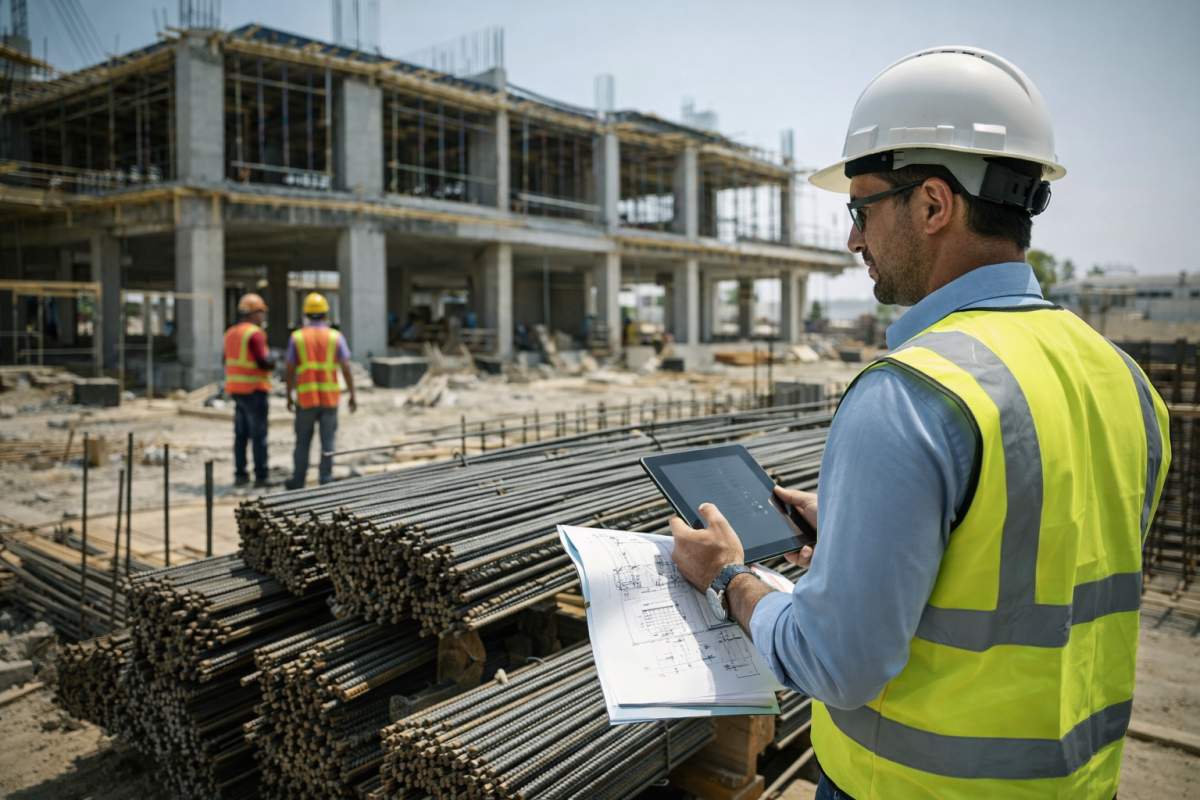
Starting house construction is an exciting step, but it can also be very expensive and stressful if you begin without proper planning. Many people make serious mistakes during construction simply because they do not know what to do before the actual construction starts.
If you are planning to build a house for the first time or would like to know what you might have missed on the go that led to challenges you faced in your construction journey, this guide is for you as we explain the most important things to know before starting house construction.
1. Understand Your Budget Before Starting House Construction
First, you must clearly understand how much money you have and how much you are willing to spend on construction.
Importance of budgeting
- Construction costs are constantly changing day by day
- Prices of materials may increase which one might not have put under consideration prior
- Unexpected expenses always come up that might not have been foreseen.
What you should do
- Calculate your total available money so that you can work within your means
- Always separate construction money from personal expenses to avoid clashing between the two
- Add 10–15% extra for emergencies that may come up along the way
Many people start building without a clear budget and end up stopping halfway due to lack of funds. Knowing the cost before will save you a lot of headaches that might arise along the way.
2. Do Not Buy Land Without Proper Planning
Buying land is not just about price. The condition and location of the land greatly affect construction cost and safety.
Here is a checklist for you before buying land
- Soil type: Weak soils needs stronger foundations which might be costly to setup
- Drainage: Poor drainage can lead to floods which in turn can damage foundations. This is very common in flood plain areas.
- Access roads: Your land needs easy accessibility for the trucks during construction
- Utilities: There is need for water and electricity availability on the land for ease of work during construction
As they always say “cheap things are expensive”, a cheap land bought today without checking the preliminaries especially the soil and drainage, might lead to more money spent fixing problems later.
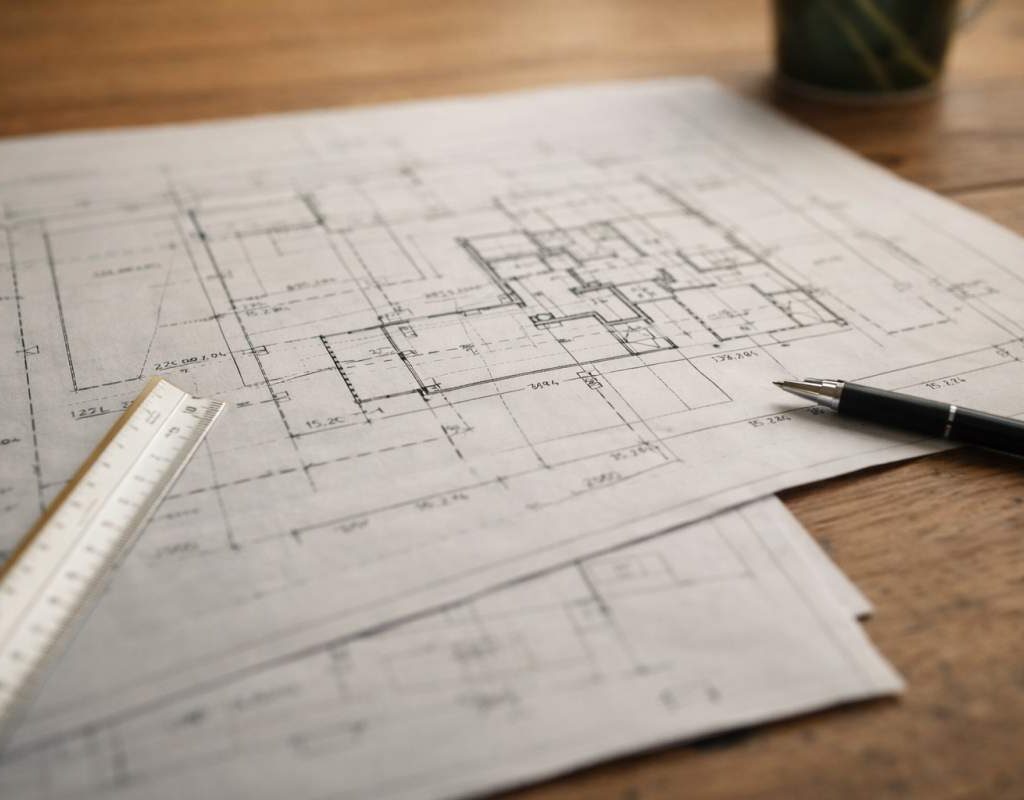
3. Get Proper Building Plans Before Construction
Starting house construction from guesswork is like a captain navigating the waters of L.Victoria without a campus. Nothing but a mess is all that awaits him.
Proper building plans guide every stage of construction.
Why building plans are important
- They show exact sizes and dimensions of the construction components
- They help to estimate materials accurately for proper planning
- They act as a guide to the construction parties such as fundis and contractors
- They are a required for building approval by the approval bodies as they ascertain whether the building follows the required standards
Plans you need
- Architectural drawings
- Structural drawings
- Electrical and plumbing layouts
- Interior designs
4. Get Legal Approvals Before Building a House
Legal approval is a requirement by the state meant to protect you and other people, your surroundings and your investment.
Why approvals matter
- They confirm that your building is legal within the state laws
- They help to prevent fines and demolition
- They ensure that safety standards are met
Risks of building without approval
- The construction can easily be stopped by authorities since it is not endorsed
- It may result into heavy penalties if found without approvals
- There might be loss of money and materials in case of demolitions.
To be on a safe side, always get approval before starting house construction.
5. Understand the Role of Construction Professionals
During house construction, there are different professionals involved each with a specific role.
Some of the key professionals explained simply
Engineer
- Designs the structure depending on the loads its expected to carry.
- Ensures the house is strong and safe by ensuring that the loads on the structure are safely transferred to the ground.
Contractor
- Organizes labour and materials to come up with the complete construction project.
- Manages daily construction work
Quantity Surveyor
- Estimates construction costs that the project may undertake
- Helps control spending and reduce wastage on the construction project
Some people rely only on fundis without professional guidance. This often causes serious structural and financial problems during construction. Hiring professionals saves money in the long run.
6. Plan the House Construction Process in Phases
House construction should follow a clear step-by-step process without using shortcuts.
Main construction phases
- Site clearing and excavation
- Foundation construction
- Walling
- Roofing
- Finishes (plastering, painting, fittings)
Why planning phases is important
- It helps you to control project costs since you anticipate earlier what might lead to overspending and work on it
- It improves work quality since each stage is given the attention it requires
- It reduces project delays since the stages are clearly laid out
7. Choose the Right Building Materials Early
The materials you choose in your construction affect the strength, durability, and maintenance cost of your house.
Important materials to consider
- Cement type
- Bricks or blocks
- Steel reinforcement
- Roofing materials
A common mistake done is buying materials based only on price, and not suitability to the project. Wrong materials can weaken the entire building and lead to immense losses.
8. Do Not Ignore Site Supervision
You might have good plans and materials, but trust me poor supervision can destroy everything.
Why site supervision matters
- It ensures the work follows the drawings that have been laid out.
- It prevents the theft of materials from the site since monitoring is done effectively.
- It maintains quality standards through ensuring follow up of the set standards.
Who can supervise
- Engineer
- Clerk of works
- Experienced site supervisor
An outside eye is always sharper than an inside one as it can easily see what the inside eye might have failed to see. Leaving a construction site unsupervised often leads to costly mistakes.
9. Prepare for Delays and Challenges in Construction
Construction rarely goes exactly as planned as unexpected and unforeseen occurrences happen along the way.
Some of the common challenges are
- Weather changes like rains, winter and so on
- Material shortages like shortage of cement, aggregate, rebars
- Sudden price increases like increase in cement, aggregate prices
- Labour issues like strikes, default of work without prior notice, etc
How to prepare
- Always allow extra time in your schedule to account for the delays and challenges
- Have some emergency funds to help in such unforeseen circumstances
- Be flexible to easily adjust incase changes takeplace
Proper preparation reduces stress and losses that comes with unpreparedness.
10. Think Long-Term When Building a House
I bet there is no one who builds a house to last just for today, but for many years.
Some of the long-term factors to consider
- Structural strength: Is the house strong enough to stand the tests of the time like the loads subjected to it now and those to be subjected to it in the future?
- Maintenance costs: Are the maintenance costs of the house manageable to the house owner in the long run?
- Comfort: Do the occupants of the house feel comfortable when occupying the house now and in the future?
A common mistake done today is choosing the cheapest option instead of the best option. Cheap construction today often leads to expensive repairs later.
Conclusion
Starting house construction without preparation is a risky and expensive business. However, when you plan your budget carefully, buy suitable land, use approved building plans, get legal approvals, use the right professionals, supervise construction properly and follow the correct process, you can build a safe, strong, and durable home.
Planning to start house construction?
Use our free construction guides and calculators to estimate materials, control costs, and avoid common construction mistakes.
Good planning is the foundation of every successful house.
Join our community of construction enthusiasts who are ready to make our world a better place to live in through Civil Engineering.