According to the International Labor Organization (ILO), construction is one of the most dangerous industries in the world. Every single day, workers go to site in the morning and never come back home.
The painful truth? Most of these accidents happen because of mistakes that could have been avoided.
At Civil Dude, we believe that knowledge saves lives. So today, we are going to look at the common mistakes happening on construction sites that are causing injuries and deaths and what you can do to stop them.
1. Not Wearing Personal Protective Equipment (PPE)
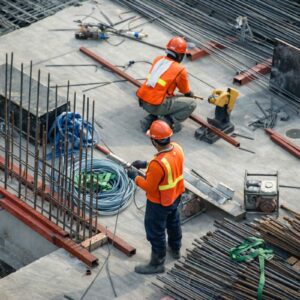
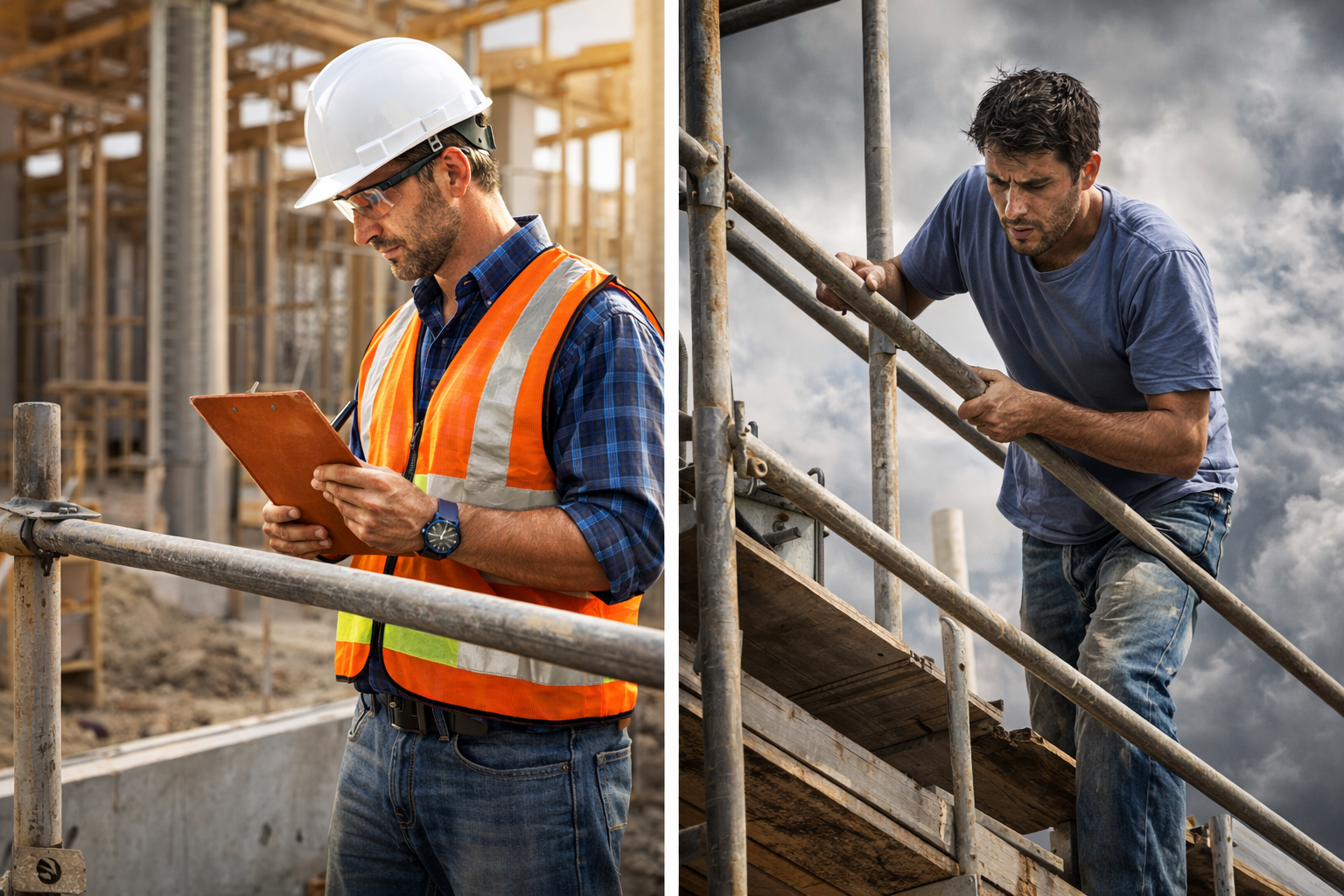
This is the number one mistake on almost every construction site in Africa and beyond. You will see workers on scaffolding without helmets. You will see people cutting steel without gloves. You will see laborers working in sandals instead of safety boots.
PPE is not a suggestion, it is your last line of defense against a serious injury. A hard hat can be the difference between a headache and death when something falls from above. The Occupational Safety and Health Administration (OSHA) makes it very clear: PPE saves lives.
What can be done: Project managers must enforce PPE rules from day one. No PPE, no entry to site. Simple.
2. Poor Scaffolding Setup and Inspection
Scaffolding collapses are responsible for a large number of construction fatalities worldwide. Yet on many sites, scaffolding is erected by workers who have never been trained to do it correctly. Boards are placed loosely. Supports are not properly secured. Nobody inspects the structure before workers climb on it.
What can be done: Proper scaffolding must be designed, erected, and inspected by a competent person before any worker steps on it. Every single day it is in use, a check should be done.
3. Ignoring Hazard Communication
How many times have you walked onto a site and seen no warning signs? No “Danger Men Working Above.” No “Wet Concrete.” No “High Voltage.” Workers and even the public walk into danger zones without knowing the risk.
Hazard communication is not just about putting signs on poles. It is about making sure every person on site from the engineer to the newest laborer understands the dangers around them.
NIOSH recommends daily safety briefings (toolbox talks) as one of the most effective ways to prevent accidents.
What can be done: Start every morning with a 10-minute toolbox talk. Talk about what the risks are for that day’s work. It costs nothing but time and it saves lives.
4. Overloading and Improper Storage of Materials
Bags of cement stacked too high, steel bars leaning against a wall without support, heavy materials stored on upper floors without checking the load capacity are some of the accidents waiting to happen.
When materials collapse, they crush workers underneath. When heavy items fall from height, they can kill someone on the ground instantly.
What can be done: Follow manufacturer guidelines for storage. Understand the load-bearing capacity of every floor and surface before placing materials on it so that you can place the required load amount.
5. Working Without a Risk Assessment
Many sites in Africa start work on Monday morning without anyone having done a proper risk assessment. The attitude is “we have done this before, we know what we are doing.” But every new site is different. Every new task carries new risks.
A Job Hazard Analysis (JHA) is a simple document that looks at each task and asks: what can go wrong? How do we prevent it? It does not need to be complicated but it needs to be done.
What can be done: Before starting any new task or work phase, sit down with your team and identify the hazards, write them down, share them and act on them.
Conclusion
Construction site accidents are not bad luck. They are the result of mistakes, mistakes that we can identify, learn from, and prevent. Whether you are a site worker or a project manager, safety is your responsibility.
Did this post open your eyes to something happening on your site right now?
Share it with your team because the person next to you might be the one whose life depends on it.
And if you want more practical construction knowledge like this, explore our other construction guides and join our community.
Use our free calculators to estimate materials correctly, control costs, and avoid costly construction mistakes.